

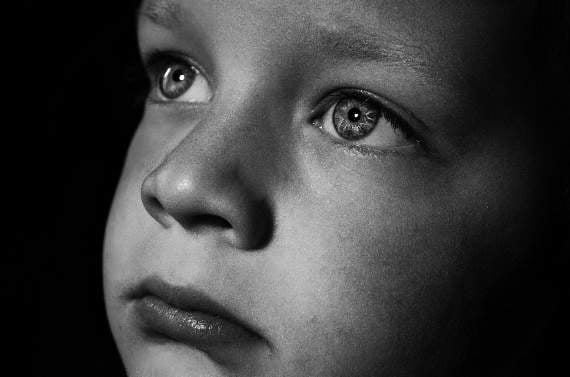
A second organisation has raised warnings over child poverty in the South West.
The Trades Union Congress, TUC, says that the South West has seen the “biggest rise in child poverty in public sector families”.
It said the region has seen “a 55 per cent rise in the number of children in public sector families fall into poverty since 2010 – the biggest increase in England”.
In the Totnes constituency, 2,715 people are employed in the public sector and their collective real terms pay loss 2016-17 is £7,080,639 with a total loss of disposable income since 2010 of £33,978,093.




Almost 43,000 children in the South West with a parent working in the public sector are now living in poverty according to new TUC analysis published this week.
Since 2010, the region has seen over 15,000 more children fall into poverty since 2010.
This research comes just weeks after End Child Poverty, a charity working to end child poverty in the UK, released figures showing that on average, 23.28 per cent of children living in the South Hams are living in poverty.
‘Child poverty’ is nationally recognised as when a child is growing up in a household which has 60 per cent or less of the median household income in the UK, which is £23,556 with two adults. So this is a household income of less than £14,133 after housing costs.
The Living Wage Foundation has set the Real Living Wage – the wage needed to live in the UK outside of London – at £8.45 an hour, or £17,576 a year. Two adults earning the Living Wage would have a household income of £35,152 a year.
According to End Child Poverty, work does not provide a guaranteed route out of poverty in the UK. Two-thirds, 64 per cent, of children growing up in poverty live in a family where at least one member works.
They say: “Child poverty blights childhoods. Growing up in poverty means being cold, going hungry, not being able to join in activities with friends. For example, 60 per cent of families in the bottom income quintile would like, but cannot afford, to take their children on holiday for one week a year.
“Child poverty has long-lasting effects. By GCSE age, there is a 28 per cent gap between children receiving free school meals and their wealthier peers in terms of the number achieving at least five A*-C grades.
“Child poverty imposes costs on broader society – estimated to be at least £29 billion a year. Governments forgo prospective revenues as well as commit themselves to providing services in the future if they fail to address child poverty in the here and now.”
The TUC research also shows that by April 2018, one in seven children in the UK (550,000) in public sector working families will be living below the official poverty line as a result of the public sector pay cap, tax and benefit changes.
TUC Regional Secretary for the South West, Nigel Costley said: “The government’s pay restrictions and in-work benefit cuts have caused needless hardship all over the UK.
“Public servants shouldn’t have to worry about feeding or clothing their kids, yet many are struggling to afford even the basics.
“Ministers must give nurses, teachers and other public sector workers the pay rise they have earned or more families will continue falling into poverty.”
You can find out more at www.tuc.org.uk and www.endchildpoverty.org.uk
Comments
This article has no comments yet. Be the first to leave a comment.