
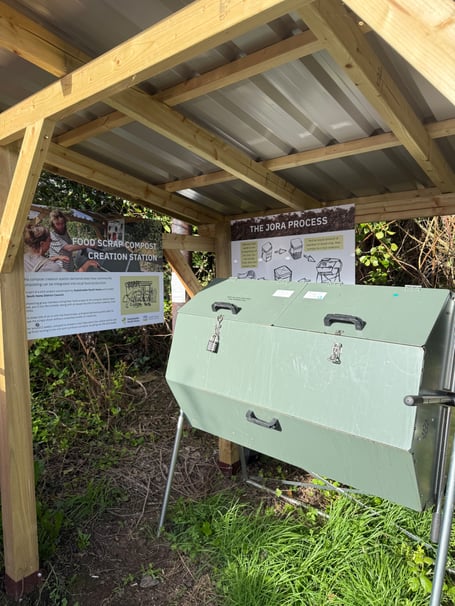
Of all the incredible circular systems that exist in nature, decomposition is surely one of the most vital. Everything, once it has served its intended purpose, is broken back down into its constituent parts by this fantastic process, facilitated by a myriad of amazing creatures, fungi and bacteria. It is the ultimate form of recycling and resource recovery, and it happens non-stop, all around us, every second of the day.
Thank goodness for this utterly essential natural process, which removes everything that has expired and turns it back into essential resources for reallocation. It’s not hard to imagine what a state the place would be in if everything that died simply lay where it fell. Yuck!
It is heartening to see accelerated decomposition, in the form of composting, increasingly taking place in gardens, allotments, smallholdings, farms and industrial-scale facilities across the land, as those in the know harness the incredible power of nature’s circular processes.
On a community level, there are some amazingly successful neighbourhood composting schemes dotted around South Devon. South Brent’s is rightly held up as a great example of what is possible when a group of doers get together to initiate something of huge value to their community and the environment. Seeing the site in action is brilliant, the enthusiasm of the volunteers sharing their newfound expertise is infectious as they take in green waste and distribute bags of high quality peat free compost to the community.
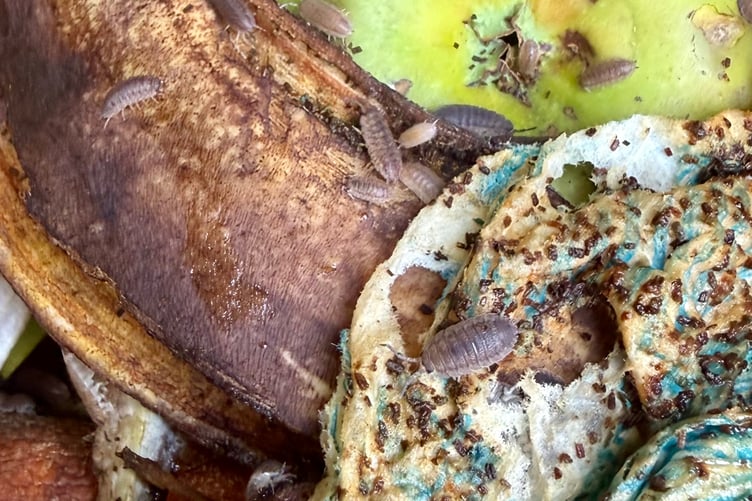
There are some great small-scale examples on our doorstep already in Kingsbridge, notably at Kingsbridge Community Garden, Kingsbridge in Bloom and the fledgling Waverley Road scheme.
It is still early days, but excitingly, members of Kingsbridge Climate Action are beavering away to establish a permanent community composting site on the periphery of the town. The aim is to compost all the town’s green garden waste, brown cardboard and, in time, hopefully, household and business food waste locally. The beautiful brown gold produced by the process can then be spread back onto the land locally, nurturing more growth.
There is excellent support and funding available from South Hams District Council, delivered through engaging, practical workshops and mentorship from Sustainable South Hams. This can help local communities establish their own composting schemes and reduce the burden on the current system that definitely has value but is inefficient and linear, when it could be circular.
The existing system for people who don’t compost garden or food waste at home or through a local scheme is clunky. It involves hours of staff time, plastic containers galore, diesel trucks and, frustratingly, more food miles.
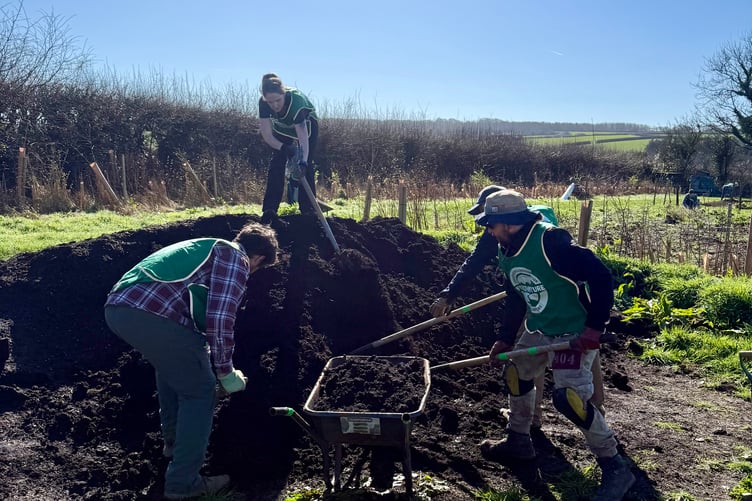

Sending grass cuttings and hedge trimmings away to a centralised facility makes little sense when viewed through the lens of nature. We are removing valuable organic resources from where they are needed and then having to replace those nutrients with bought-in fertilisers and soil improvers.
I’m currently geeking out on biomimicry. It’s the study of how nature and natural processes can be copied to help solve challenges in the human realm. Famous examples include the noses of Japanese bullet trains, which were modelled on the beak of the kingfisher, and probably the most ubiquitous example of biomimicry in action: Velcro, inspired by the hooked seeds of the burdock plant getting caught in hikers’ socks.
Nature, if it were able, would probably be doubled up watching our antics, collecting, storing and moving resources around on the scale that we currently do is bonkers!
Wherever possible, resources that a patch of ground produces should be used to further nurture that same patch of ground in a circular fashion, just as nature does. If that can’t happen on-site, then as close to the source as possible.
And this is where community composting comes in.
Kingsbridge Climate Action is actively seeking volunteers with a range of skills to help get the community composting scheme up and running. You don’t need to be a composting expert. Whether you have practical skills, organisational experience, an interest in growing, communications skills, or simply a willingness to get stuck in and help, there is a role you could play.
If you would like to get involved, the team would be delighted to hear from you. Please contact [email protected] or visit https://www.kingsbridgeclimateaction.co.uk/ to find out more about the composting project and the other great opportunities there are to take positive action locally.
Comments
We've recently changed our login process. If you have an account for commenting, you will need to re-register on the login window.
This article has no comments yet. Be the first to leave a comment.