
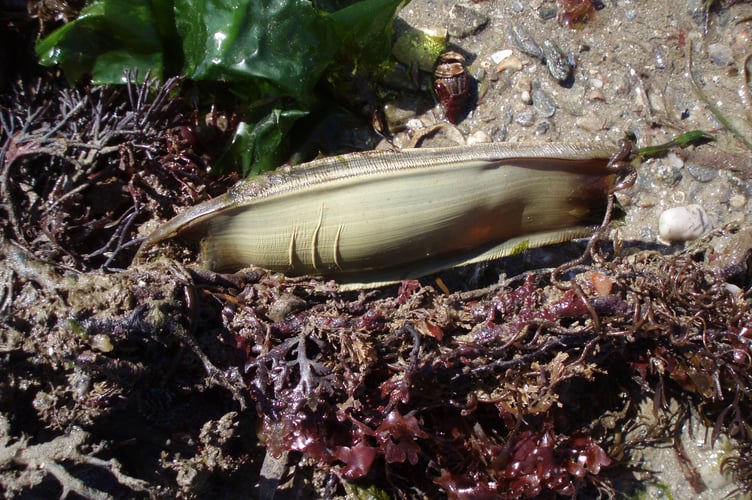
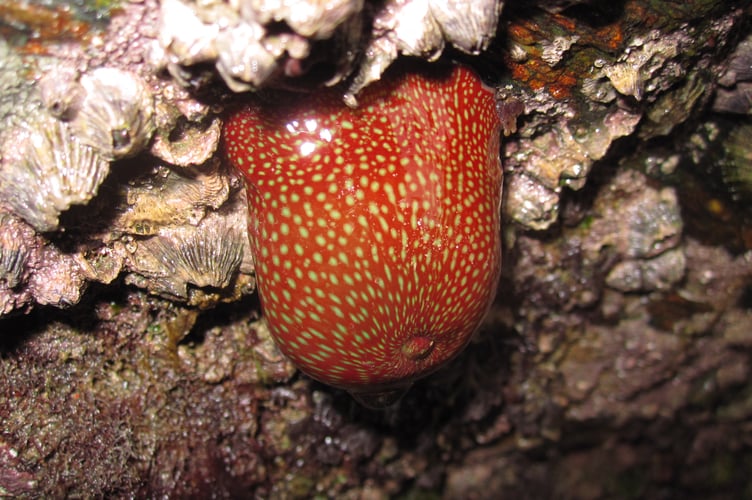
For me, the real wonder of rockpooling is never knowing quite what you’re going to find. Asides from the limpets that always return to exactly the same spot with each tide and the barnacles and seaweeds that are physically attached to the rocks, even some of the more common organisms such as dog whelks, strawberry anemones and shore crab - might not be there that day.
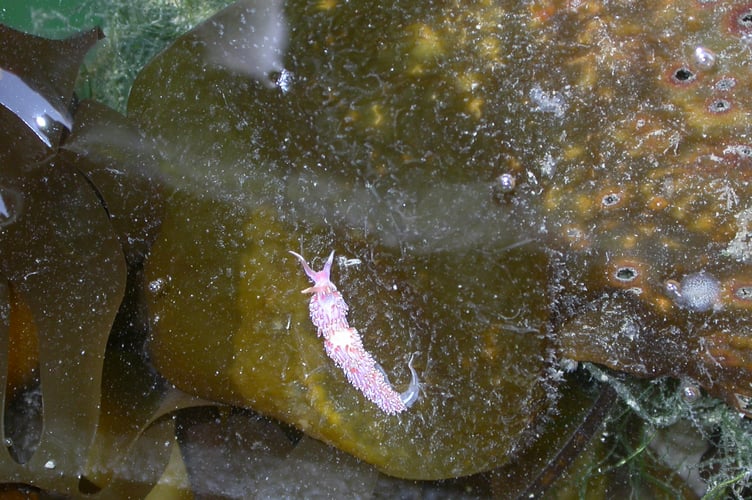
Just recently, there have been a rich diversity of sea slugs that have turned up along our shores for the first time in places like Wembury, quite probably due to our warming waters through climate change. Their proper name are ‘nudibranchs’ because of their backs covered by naked gills, the colours of which make them some of the most exotic looking creatures that we have on our shores … but they can be pretty small, 15mm or half an inch, so unless you’re pretty lucky, you need to be looking closely to find them.
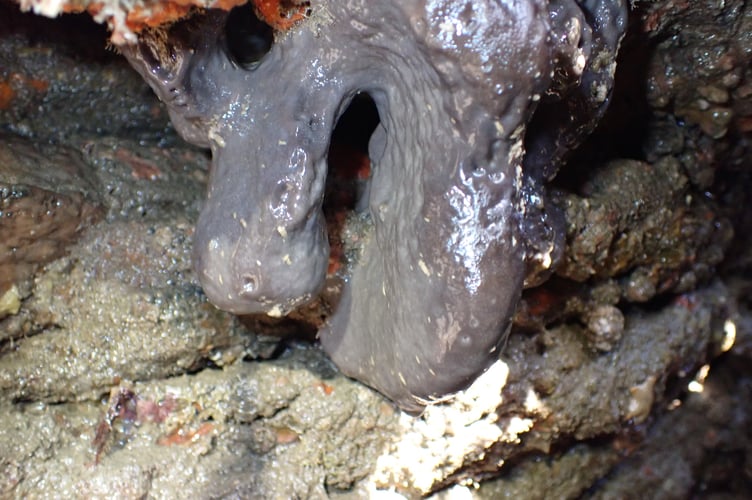
I always find that a good waterproof torch helps rockpooling, you can search into dark areas of rockpools under overhanging seaweeds and into deep narrow crevices in the rocks. Sometimes you’ll see the eyes of a blenny fish looking back at you, perfectly happy in the dampness of the crevice and out of the sun; other times it’ll be a young edible crab or velvet swimming crab – or as we like to call them, devil crabs, that describes well their quick-fire temper with their claws and their bright red eyes. It’s easy to wonder how they managed to get in there but then you have to remember that they will have half swum in with the tide in. The bright light of a torch can also help you see detail that you might otherwise have missed, such as the form of some of the red intertidal seaweeds that look like they are made from strings of tiny red sausages.

Having a bit of patience can really prove dividends when peering down into rockpools – consider taking a sponge kneeling pad so that you can even kneel down onto wet seaweeds on even the roughest barnacle encrusted rocks. Fish that you might disturb when you first settle might well be inquisitive enough to reappear. Shrimps may go about their business gleaning on the smallest fragments of food that they pick up easily in their claws but must be like using chop sticks. You might spot the writhing tentacles of the snakelocks anemone, rarely found outside a rockpool on the shore and sometimes as a drab brown colour but others more green with purple tentacle tips – the green from symbiotic algae enjoying the relative safety within the tentacles. And watch out for feeding barnacles that sweep the water to sieve for microscopic food using their feathery foot.
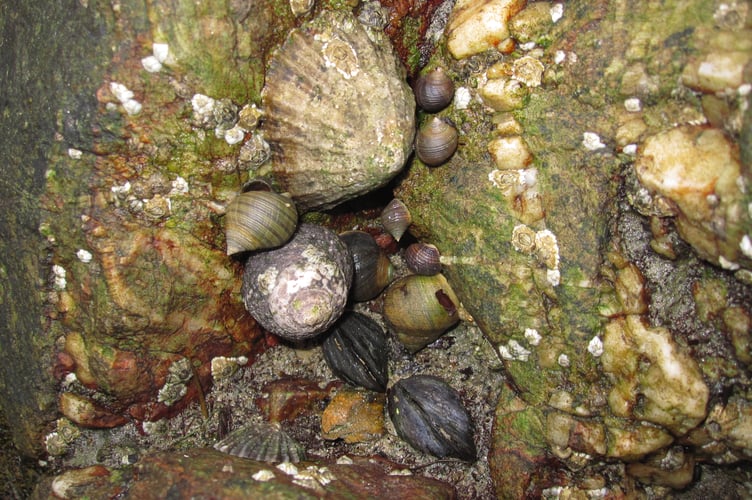
If you do turn over a stone to gaze at the diversity of life hiding there, do take care, both of yourself and the animal life there. Keel worms often have a needle sharp end to their tube which can easily puncture your skin and break off, causing some irritation for a few days, so be careful of them. And for the creatures, think of what you’re doing as lifting the lid on their house so when you’re finished looking, place the stone back down slowly and carefully. Do take your time to methodically look under the stone as many creatures move slowly and not at all to remain hidden. The fast movers will already have disappeared by the time you look.
Several different types of crab are commonly found under stones – edible crabs, shore crabs and devil crabs, and I find increasingly Montague’s crab – similarly coloured to edible crabs but giving the impression of being more ‘muscular’ in the build of its shell. A commonly found smaller crab, often noticed later clinging onto the surface of the upturned rock, is the broad clawed porcelain crab that would have been upside-down under the stone – filtering the water for its food that it captures on its gills and racks off using it’s forth hidden pair of legs. Other reasonably common critters found under the stones are pipefish, their angular shape of their head and elongated ‘snout’ show that they are closely related to sea horses and feed in the same way - by sneaking up on tiny prey and gulping them down in a single sudden lunge. Look out
for a variety of brittle stars, these resemble starfish but best to look and not touch as their delicate limbs are brittle by nature too. The surface of the stone is often covered with life forms from tube worms like the keel worm, sponges and gelatinous colonial sea squirts. Some animals will use the stones as shelters, staying hidden from the weather and predators until the next tide returns whilst others will spend their whole lives under the rock, feeding from the water that flows in and out with the tides.
The season has some effect to the rocky shore wildlife community – many crabs tend to migrate to deeper waters over the winter and return in the summer. The baking heat of long summers, and prolonged periods of heavy freshwater rain can also have their impact, but it is the action of storms that really changes things, tossing the stones and boulders around so that shores you think you know well can suddenly look quite different, and treasured wildlife gems are simply washed away. Every year the rocky shore wildlife community can significantly change but every year new life settles from the plankton and other life migrates to the shallows from offshore, and make the best of the situation and thrive … the diversity of colours, forms and adaptations to this challenging habitat never disappoint.
Comments
This article has no comments yet. Be the first to leave a comment.