
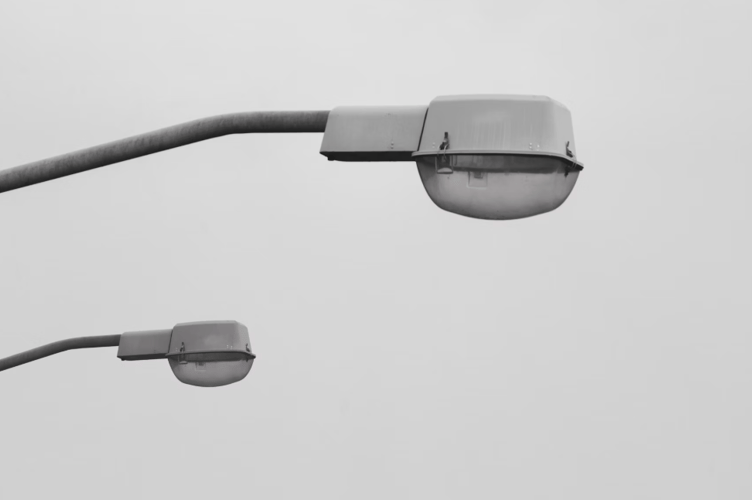
Proposals to make permanent changes to street lighting across the county have been approved by Devon County Council’s Cabinet, following a year‑long trial that responded to community needs while cutting costs, reducing carbon emissions and delivering environmental benefits.
The decision, on Tuesday, February 17, means earlier switch‑off times and further dimming of streetlights will continue in residential areas, market towns and rural locations, while lighting on main roads will remain unchanged.
The approach builds on Devon’s long‑standing policy of part‑night lighting and takes advantage of new smart technology that allows lights to be adjusted remotely and quickly if safety concerns arise.
Since the trial began in April last year, the Council has reduced the amount of electricity used for street lighting by more than one million kilowatt hours a year.




At current energy prices, this equates to savings of around £270,000 annually, money that can be redirected to other frontline services.
The reduction in energy use is also expected to save around 200 tonnes of carbon emissions a year, supporting the Council’s climate change commitments.
The changes follow a major investment in LED lighting and a Central Management System, which now connects more than 66,000 streetlights across Devon.
Cabinet Member for Highways, Dan Thomas said: “This decision strikes the right balance between being responsible with public money, tackling climate change and continuing to keep people safe.
“The trial has shown we can significantly reduce energy use and carbon emissions while still responding quickly to local concerns.
“With the technology we now have, we can tailor lighting to different communities and make changes where they’re needed.”
The Council worked closely with Devon and Cornwall Police throughout the trial, including specialist crime prevention teams.
Cllr Thomas added: “Using smarter street lighting enables us to cut costs, reduce emissions and lessen environmental impact, while retaining the ability to prioritise safety where it matters most.”
Comments
We've recently changed our login process. If you have an account for commenting, you will need to re-register on the login window.
This article has no comments yet. Be the first to leave a comment.