
Hospitality businesses are “absolutely against” the notion of a tax on holidays being imposed, with fears that the increased cost could deal a blow to Devon’s economy.
The exact parameters of a tourist tax have not been confirmed, but the topic has been increasingly discussed in recent weeks, and firms in Devon’s hospitality sector have expressed strong opposition.
Chancellor Rachel Reeves has spoken about giving regional mayors the power to impose a visitor levy.
While Devon does not yet have a mayor, it does have a combined county authority, and the direction of travel from Westminster suggests that could change.




Jason Garside, the boss behind the firm that owns a trio of Torquay hotels, including the Victoria and Carlton hotels, barely takes a breath when asked his thoughts about the prospect of a visitor levy.
“I am absolutely against a tourist tax,” he said.
“I appreciate local authorities may be underfunded, but our industry is already highly taxed.”
Mr Garside acknowledged that the principle of the tourism sector contributing to the local economy was “absolutely key to a thriving seaside town”.
“But I would argue our £7 million payroll already does that, with our staff spending money in the local area and with businesses in our local supply chains,” he added.
“While the pressures are immense of running a hospitality business, anything that adds to that would be unwelcome.”
The issue has been discussed by the English Riviera Business Improvement District (BID), of which Mr Garside is a member, and he said, “lots of members are opposed to it for similar reasons”.
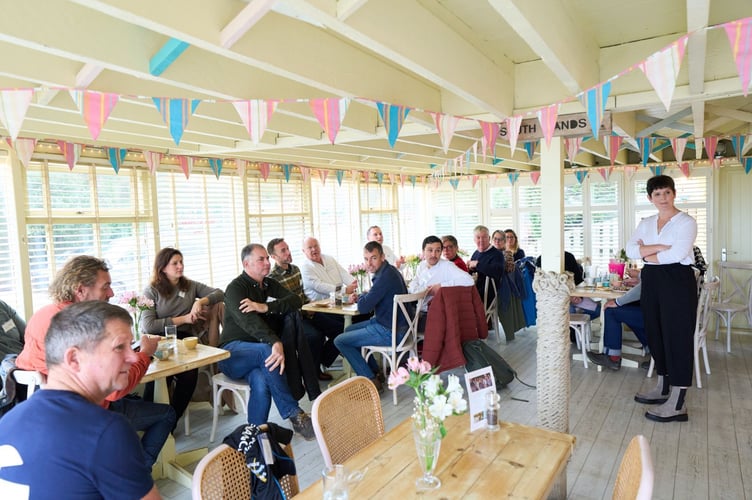
Sam Dennis, chair of the South Hams Chamber, said local businesses are already under pressure.
“In the past 12 months, they have been hit with increases in national insurance and business rates, council-imposed increases in parking fees, and now the possible introduction of a tourist tax,” she said.
“People will simply stop coming and will choose to spend their hard-earned money elsewhere. Businesses will close, jobs will be lost, and our fragile rural, coastal economy will fall apart.”
She added that politicians must “stop taking our visitor economy for granted” and better support the small, independent businesses that underpin the area.
However, there is some conditional support for the idea. Devon County Council leader Councillor Julian Brazil said he would back a tourist tax if the revenue were clearly reinvested into tourism.
“I’d support it as long as the proceeds were reinvested in tourism,” he said.
He pointed to services such as public toilets and rubbish collection, which face increased demand during peak visitor seasons.
“When you go abroad, they’re out every evening making it look lovely, and that’s what we have got to invest in,” he said. “But if the government simply wants it to boost their coffers, then I’d be opposed to it.”
He also warned against diverting funds from tourism, particularly to support broader governance changes.
A government consultation on the idea of a visitor levy as a new mayoral power ended in February, and the government said it is currently analysing the feedback on how it should be implemented, which types of property should be included and excluded, and how revenue could be collected.
Devon’s tourism businesses will be hoping whatever is decided doesn’t happen in the county.
Comments
We've recently changed our login process. If you have an account for commenting, you will need to re-register on the login window.
This article has no comments yet. Be the first to leave a comment.