
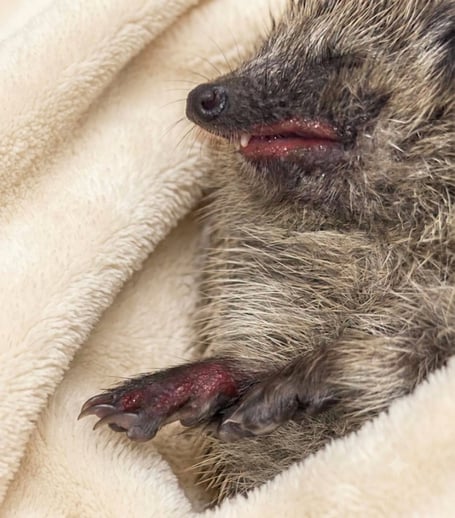
A Modbury resident has raised concerns over the use of glyphosate weed killer by housing association LiveWest after spotting baby hedgehogs in a residential area where herbicides are used.
Heather, who lives near land maintained by LiveWest, said she contacted the housing association after becoming worried about the potential impact of weed spraying on local wildlife.
"They told me they had a responsibility to maintain the area, and that was the excuse," she said.
"I offered to weed the area myself for free, but they said no. The person I spoke to seemed quite arrogant, and I don't think they had any intention of looking beyond using glyphosate."
LiveWest said it understood residents' concerns and was working to minimise its use of herbicides.
Scott Fry, Head of Estate Management at LiveWest, said: "We appreciate the concerns raised by our customers about glyphosate-based herbicides and we take their concerns seriously.
"Our approach is to minimise the use of herbicides wherever possible, using only targeted spot treatment when absolutely necessary to control persistent or invasive weeds.
"We always ensure our teams and contractors follow strict health and safety regulations, manufacturer guidance and environmental best practice."
Mr Fry said the organisation had trialled alternative weed-control methods, but these had proved less effective.
He added that LiveWest would continue exploring ways to reduce herbicide use while keeping neighbourhoods "safe, attractive and well-maintained".



Wildlife rescue volunteers say the chemicals can still have wider environmental consequences.
Judy Oliphant, co-founder of Prickles in a Pickle, said herbicides and pesticides can affect insects and other invertebrates that form an essential part of the food chain for hedgehogs and other wildlife.
"Sadly, spraying is an easier, quicker way to eradicate weeds, requiring less manpower than hand weeding," she said.
Ms Oliphant adds that pesticides often remain deadly after consumed by the ‘targeted pests’.
“Most wildlife is opportunistic in nature and a dead or dying animal is easy prey to other species including, owls and hedgehogs.”
She warned that chemical residues and run-off could also affect aquatic life, while stressing that products should always be used in accordance with official guidance.
Glyphosate is the world's most widely used herbicide and remains legal for domestic, commercial and agricultural use across the UK.
According to the National Pesticide Information Centre, glyphosate primarily affects wildlife indirectly by removing weeds and wildflowers that provide food and habitat.
Some commercial formulations also contain additional ingredients that can be harmful to aquatic organisms if misused.
Human health risks associated with glyphosate remain the subject of scientific debate.
Some studies have suggested possible links with illnesses, including neurological disruptions and non-Hodgkin's lymphoma, after long-term exposure.
However, UK and European regulators maintain that approved uses of glyphosate do not pose an “unacceptable risk” to human health when used according to instructions.
The International Agency for Research on Cancer classified glyphosate as "probably carcinogenic" in 2015, while regulators, including the Health and Safety Executive, have concluded that approved uses are unlikely to pose a cancer risk.
The active ingredient is currently undergoing a scientific review by the Health and Safety Executive. Its approval for use in Great Britain has been extended until 15 December 2026 while new evidence is assessed.
Heather said she hopes organisations managing public spaces will increasingly consider alternatives that better protect local wildlife.
Comments
We've recently changed our login process. If you have an account for commenting, you will need to re-register on the login window.
This article has no comments yet. Be the first to leave a comment.