
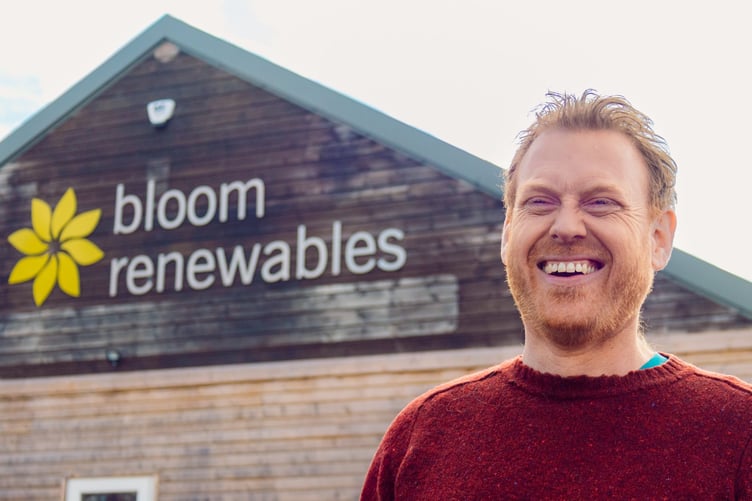
A renewable energy company based in Totnes says it hopes to help more Devon heritage attractions cut costs after completing a major solar installation for one of Britain's best-known steam railways.
Bloom Renewables has fitted solar panels across several buildings at the Romney, Hythe and Dymchurch Railway (RHDR) in Kent, a historic miniature steam railway that is preparing to celebrate its centenary in 2027.
The South Devon firm says the project, delivered in partnership with Kent Community Energy, demonstrates how heritage attractions can reduce energy costs while preserving their character and appeal.





The new solar system is expected to generate around 110,000 kilowatt hours of electricity each year, saving the railway up to £18,000 annually and cutting carbon emissions by an estimated 50 tonnes.
Panels have been installed on two engine sheds, the café and exhibition hall at New Romney Station, and the End of the Line restaurant at Dungeness Station.
The project was delivered through a community energy initiative, meaning the railway did not have to pay upfront installation costs. Instead, it will purchase the electricity generated on-site at a lower rate under a 20-year agreement.
Mark Bloomfield, director of Bloom Renewables, said the project showed that historic attractions could embrace renewable energy without compromising their identity.
"We're absolutely chuffed to have worked on this project," he said.
"There's something poetic about a steam railway embracing modern solar technology. It shows going green doesn't mean giving up the character, history or charm of a place. In fact, it can help protect it."
He added that rising energy costs were becoming a major challenge for visitor attractions, community organisations and businesses.
"Solar gives organisations like this more control over their costs, while also reducing their environmental impact," he said.
The Romney, Hythe and Dymchurch Railway is renowned for its miniature steam locomotives and 13.5-mile route along the Kent coast.
Its general manager, Stuart Ross, said increasing energy costs had placed additional pressure on the attraction in recent years.
"The cost of running the railway has increased hugely over the last few years because of spiralling energy costs," he said.
"The solar panels will help us to improve our environmental credentials while making savings."
Mr Ross said the installation would help secure the railway's future as it approaches its second century.
Bloom Renewables says the project reflects growing interest in solar energy from organisations that may previously have viewed it as suitable only for homes or large commercial premises.
The company is now hoping to work with more heritage sites, community buildings and visitor attractions across Devon.
Mr Bloomfield said many organisations in the county were facing similar challenges.
"Schools, farms, charities, heritage sites, sports clubs and visitor attractions are all asking the same question: how do we reduce our bills and make our buildings more resilient for the future?" he said.
"We'd love to see more projects like this closer to home. Devon has so many brilliant heritage sites, community buildings and visitor attractions. Many of them have large roof spaces, high daytime energy use and a strong reason to keep costs under control."
The company says solar power could help those organisations lower running costs while supporting long-term sustainability.
Comments
This article has no comments yet. Be the first to leave a comment.